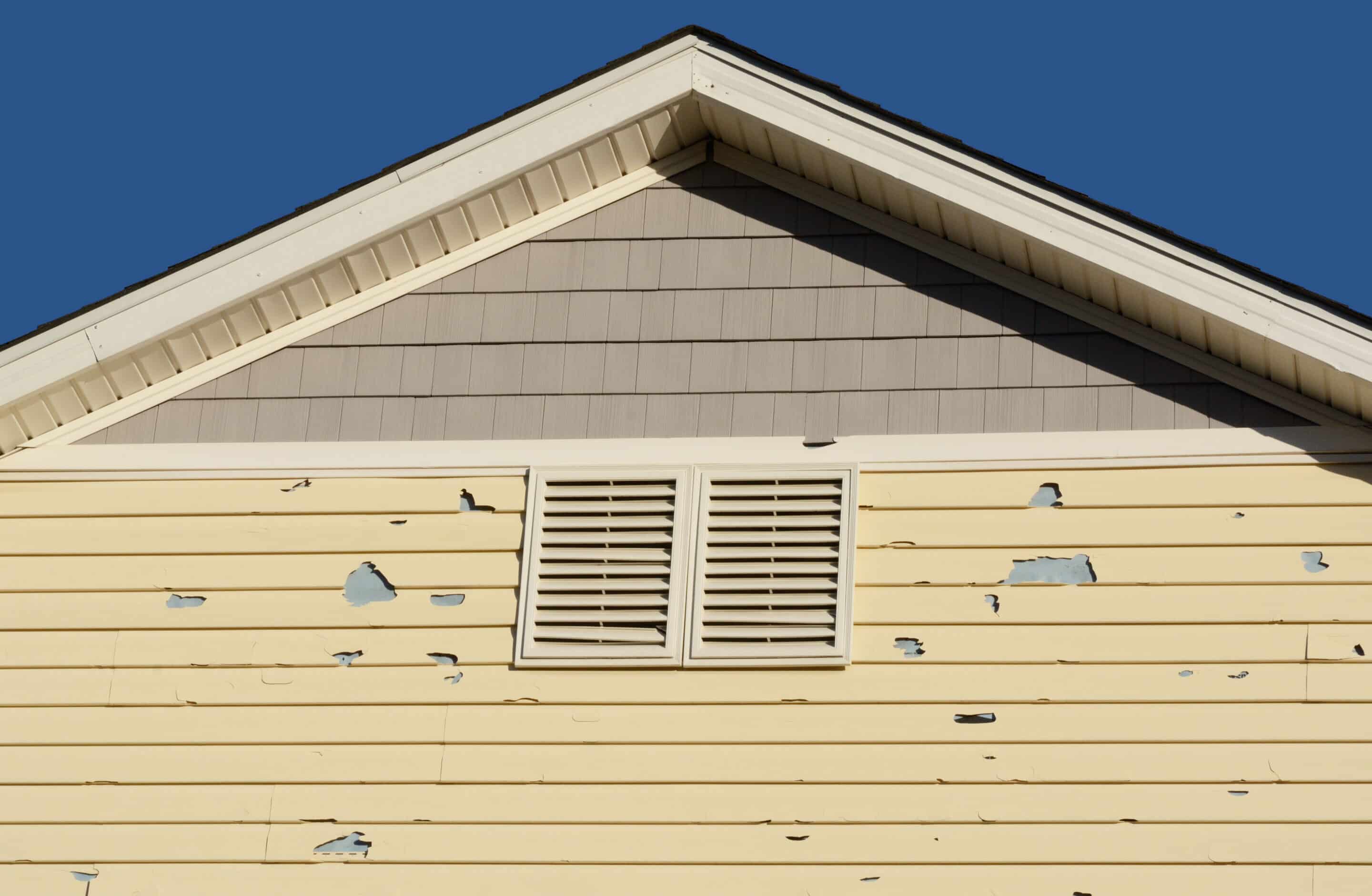
Your home's siding does more than enhance its curb appeal. It helps shield your home from moisture, wind, and temperature changes. However, not all siding damage is easy to see. Warped panels, peeling paint, or moisture inside your home may be signs that something needs attention. Recognizing hidden siding damage early can help you protect your home and avoid more extensive repairs.
Why Hidden Siding Problems Are So Common
Michigan's changing weather exposes siding to rain, snow, wind, and temperature fluctuations. Over time, these conditions can weaken materials and allow moisture to enter through small gaps or damaged seams.
Because some deterioration occurs behind the panels, a quick visual inspection may not reveal the full problem. Aging materials and installation issues can also contribute to damage that remains unnoticed until it spreads.
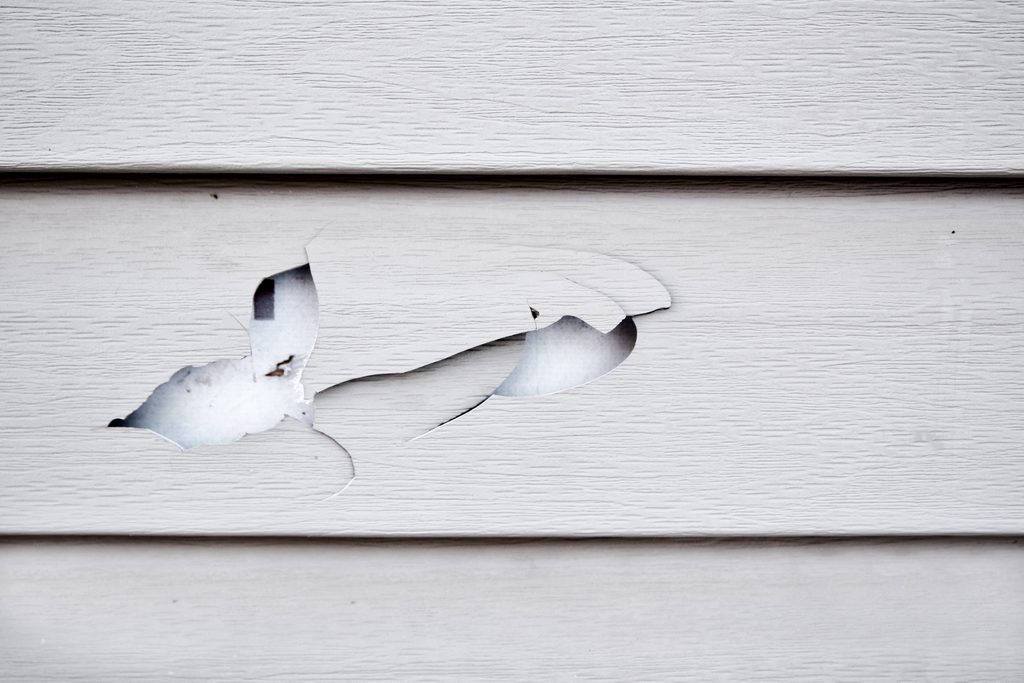
Warning Signs of Hidden Siding Damage
Slight Warping or Uneven Panels
Siding should generally appear straight and properly aligned. Panels that bow, buckle, or pull away from the wall may indicate moisture exposure, installation problems, or deterioration beneath the surface.
Fading That Looks Uneven
Some fading is normal as siding ages. However, unusual discoloration or inconsistent fading may indicate weathering, surface deterioration, or staining that deserves a closer look.
Soft Spots When Pressed
Unusually soft or weakened areas may suggest moisture damage affecting the siding or underlying materials. Avoid pressing forcefully or removing panels yourself. A professional can assess the area safely.
Interior Wall Issues
Peeling paint, damp spots, musty odors, or mold near exterior walls may indicate moisture intrusion. These problems can have other causes, but your siding should be evaluated if exterior damage is also suspected.
Higher Energy Bills
If your energy bills increase unexpectedly or certain rooms feel draftier than usual, gaps in your home’s exterior or problems with insulation may be contributing factors. These symptoms can have several causes, so a closer look at your siding and surrounding exterior components may help identify the issue.
Common Causes of Hidden Siding Damage
Moisture Intrusion
Rain and melting snow can enter through loose panels, damaged caulking, or poorly protected openings. Trapped moisture may eventually damage sheathing, insulation, and wood framing.
Freeze-Thaw Cycles in Michigan
Michigan's fluctuating temperatures can cause water to freeze and expand inside small openings. Repeated freeze-thaw cycles may widen gaps, loosen panels, and worsen existing damage.
Poor Installation
Improper fastening, inadequate flashing, and poorly sealed openings can leave siding vulnerable to water intrusion. These issues may become noticeable only after repeated exposure to harsh weather.
Aging Materials
Older siding may become brittle, crack, or lose its protective finish. Regular inspections can help determine whether aging materials still provide adequate protection.
Storm and Wind Exposure
Strong winds and flying debris can loosen panels or create openings that allow moisture inside. Damage may occur on less visible sides of your home, even when the front exterior looks fine.
Why Hidden Siding Damage Should Never Be Ignored
Minor problems can become expensive when left untreated. Moisture trapped behind siding may contribute to wood rot, mold growth, damaged insulation, and deterioration of interior walls.
When insulation becomes damp or exterior gaps allow air leakage, your home's energy efficiency may also suffer. The longer these issues continue, the more extensive the necessary repairs may become. Identifying damaged siding early can help prevent additional materials from being affected.
Repair vs. Replacement: What Homeowners Should Know
When Siding Repair Is Enough
Siding repair may be appropriate when damage is limited to a small area and the surrounding materials remain in good condition. Examples include a few cracked panels, loose sections, or minor cosmetic problems.
However, the underlying cause should also be addressed to prevent recurring damage.
When Siding Replacement Is the Better Choice
Siding replacement may make more sense when damage is widespread, the materials are significantly deteriorated, or problems keep returning. Replacing your siding also gives you the chance to refresh your home's appearance and select materials that can withstand Michigan's climate.
A professional inspection can help determine which option best fits your home's condition and needs.
How a Professional Siding Inspection Works
A professional siding inspection helps identify visible problems and potential issues beneath the surface. Portage Exteriors evaluates several aspects of your home's exterior, including:
- Exterior surface condition: Checking for cracks, warping, gaps, loose panels, and deteriorated finishes.
- Moisture warning signs: Looking for staining, damaged caulking, failed flashing, and other potential water entry points.
- Structural integrity: Identifying signs of rot, weakened sheathing, or other deterioration that may affect the materials behind the siding.
- Insulation concerns: Noting drafts, moisture-related damage, and other signs that your home's exterior protection may be compromised.
A visual inspection cannot always confirm the full extent of damage hidden behind intact siding. If deeper problems are suspected, additional investigation may be needed.
The process helps homeowners understand their siding's condition, review potential solutions, and make informed decisions about repairs or replacement.
How Portage Exteriors Can Help
Portage Exteriors helps homeowners recognize siding problems and explore their options for repair or replacement. Whether you have noticed loose panels or suspect more extensive damage, our team can assess your exterior and provide an estimate.
With more than 32 years of experience, we understand the importance of durable materials and professional workmanship. We can help you explore siding options suited to Michigan's weather while providing honest recommendations based on your home's needs.
If new siding is necessary, we can help you consider options that balance durability, appearance, and long-term protection.
Protect Your Home Before Damage Gets Worse
Hidden siding damage isn’t always easy to spot, but addressing potential problems early may help prevent further deterioration. If you’ve noticed changes in your siding's appearance, interior moisture issues, and loose panels are all reasons to take a closer look.
Contact Portage Exteriors today at (269) 762-3228 to schedule a siding inspection and request an estimate. Our team can help you understand your home's condition and determine whether repair or replacement is the right next step.
0 Comments