
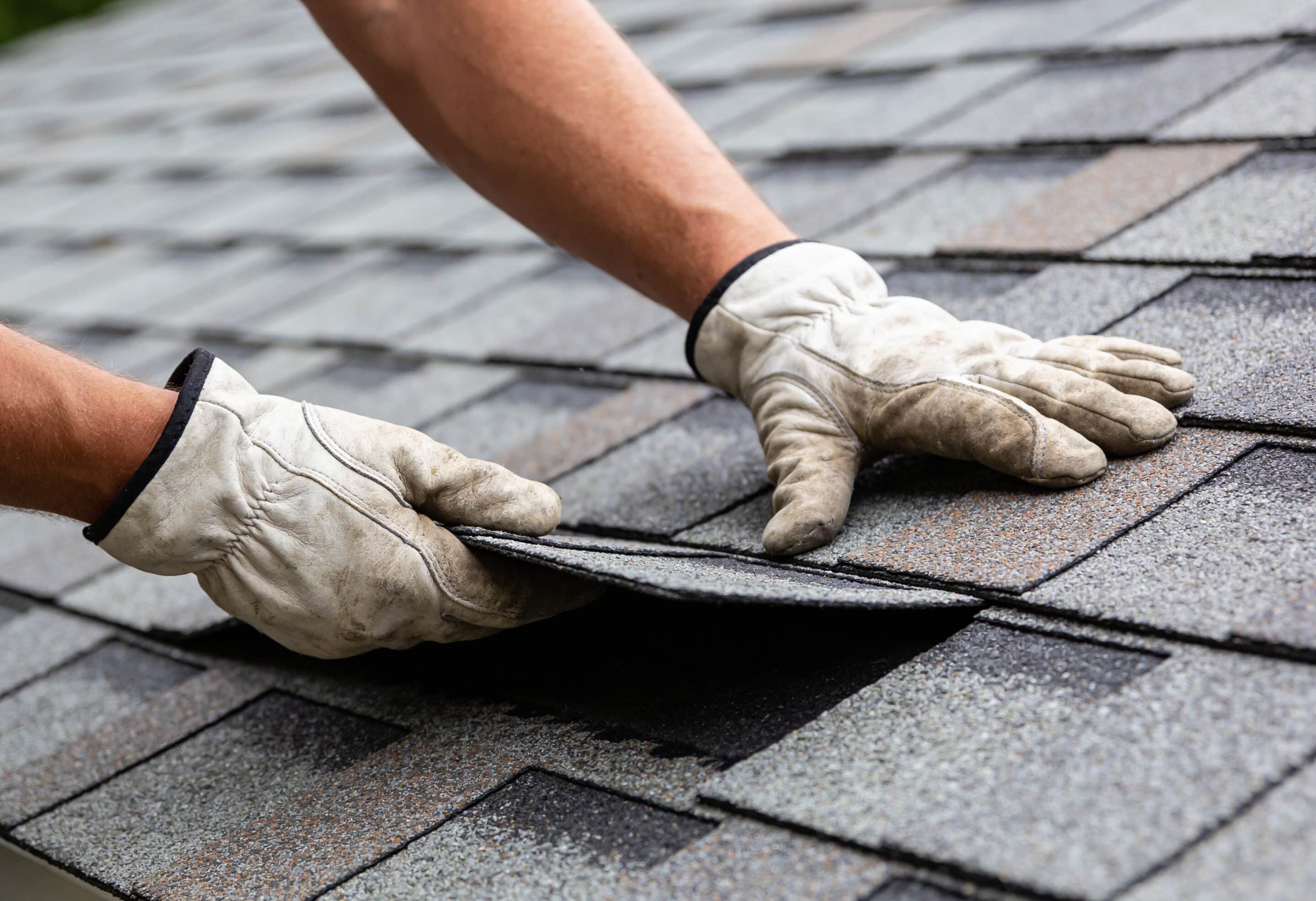
You probably don't spend much time thinking about your roof, and that's exactly how it should be. But when a few missing shingles turn into a leaking ceiling or a small problem becomes a major repair bill, it's hard to think about anything else.
The truth is, most roof damage doesn't happen overnight. It develops gradually through years of exposure to Michigan's harsh weather, strong winds, heavy rain, hailstorms, lake-effect snow, and freeze-thaw cycles. Catching the warning signs early can save thousands of dollars in repairs and help extend the life of your roof.
Whether you've recently experienced a severe storm or simply want peace of mind, knowing what roof damage looks like is the first step in protecting your home.
Why Identifying Roof Damage Early Matters
Your roof is your home's first line of defense against the elements. Even a seemingly minor issue, like a cracked shingle or damaged flashing, can allow water to work its way beneath your roofing system.
Once moisture gets inside, the damage can spread quickly, leading to:
- Interior water damage
- Mold and mildew growth
- Rotting wood
- Damaged insulation
- Higher energy bills
- Structural deterioration
The sooner roof damage is identified, the easier and often less expensive it is to repair.
For homeowners throughout Southwest Michigan, routine roof inspections are especially important. Our region experiences everything from spring thunderstorms and hail to heavy winter snow and ice dams, all of which can shorten the lifespan of your roof.
What Causes Roof Damage?
Even a high-quality roofing system eventually experiences wear and tear. Some of the most common causes include:
- Severe windstorms
- Hail damage
- Heavy snow accumulation
- Ice dams
- Aging roofing materials
- UV exposure
- Poor attic ventilation
- Clogged gutters
- Falling tree branches
- Improper roof installation
Many homeowners don't realize there's a problem until water begins entering the home. Regular inspections help identify issues before they become expensive repairs.
Common Types of Roof Damage
Shingle Damage
Your shingles are designed to protect your home from moisture, wind, and UV rays, but years of exposure can cause them to deteriorate.
Common signs include:
- Missing shingles
- Curling or buckling shingles
- Cracked shingles
- Bald spots from granule loss
If you notice granules collecting in your gutters, don't ignore them. Those tiny granules shield your shingles from the sun. Once they're gone, shingles begin aging much faster and become more vulnerable to leaks.
Wind Damage
Michigan storms can generate powerful winds capable of lifting or tearing shingles from your roof.
After a windstorm, look for:
- Missing shingles
- Lifted shingle edges
- Exposed roofing felt
- Loose flashing
- Debris scattered across the roof
Some wind damage isn't visible from the ground, making a professional roof inspection one of the smartest investments after severe weather.
Hail Damage
Hail doesn't have to be baseball-sized to damage a roof.
Even smaller hailstones can bruise shingles, loosen protective granules, and reduce your roof's ability to repel water.
Signs of hail damage include:
- Dark impact marks
- Soft spots on shingles
- Granule loss
- Dented gutters
- Damaged roof vents
- Bent flashing
If your neighborhood experienced hail, your roof may have sustained damage even if you don't notice leaks right away.
Roof Leaks and Water Damage
Water intrusion is one of the leading causes of costly roofing repairs.
Leaks often begin around damaged shingles, deteriorated flashing, roof penetrations, or clogged gutters.
Warning signs include:
- Water stains on ceilings
- Damp attic insulation
- Musty odors
- Peeling paint
- Bubbling drywall
Ignoring even a small leak can result in mold growth and structural damage over time.
Flashing Damage
Flashing seals vulnerable areas around chimneys, skylights, vents, and roof valleys.
Over time, it can become:
- Rusted
- Cracked
- Loose
- Improperly sealed
When flashing fails, water can slip beneath the roofing materials and create hidden leaks that may go unnoticed for months.
Ice Dam Damage
Southwest Michigan winters frequently create ideal conditions for ice dams.
When warm attic air melts snow on your roof, the water refreezes along the edges, trapping additional water behind it.
Ice dams can lead to:
- Roof leaks
- Interior ceiling damage
- Mold growth
- Rotting roof decking
- Damaged insulation
Proper attic ventilation and insulation play a major role in preventing ice dams.
Tree and Debris Damage
Overhanging tree limbs may provide welcome shade during the summer, but they also increase the risk of roof damage.
Heavy branches can:
- Crack shingles
- Puncture roofing materials
- Damage flashing
- Clog gutters
- Prevent proper drainage
Keeping trees trimmed and gutters clean helps reduce unnecessary wear on your roofing system.
Warning Signs of Roof Damage You Can Spot From the Ground
You don't have to climb onto your roof to recognize potential problems.
Watch for:
- Missing shingles
- Sagging roof lines
- Dark streaks
- Granules in gutters
- Bent gutters
- Fallen branches
- Moss or algae growth
- Loose flashing around the roof edges
If you notice any of these warning signs, it's a good idea to schedule a professional roof inspection before the damage worsens.
Can Roof Damage Increase Your Energy Bills?
Absolutely.
A damaged roof doesn't just let water inside; it also allows heated and cooled air to escape.
When moisture enters the attic, insulation becomes less effective, forcing your HVAC system to work harder.
That means:
- Higher heating costs
- Higher cooling costs
- Reduced indoor comfort
- Increased energy waste
Repairing roof damage early can improve your home's energy efficiency while protecting its structure.
Should You Schedule a Roof Inspection After Every Storm?
Yes.
Many forms of storm damage aren't immediately visible from the ground.
A professional inspection after:
- Hailstorms
- High winds
- Heavy snowfall
- Ice storms
- Tornado warnings
- Falling tree limbs
can uncover hidden damage before it leads to expensive interior repairs.
Even if your roof appears fine, small problems often become much larger over time.
Is It Time to Repair or Replace Your Roof?
Not every roofing problem requires a complete replacement.
However, replacement may be the better long-term investment if your roof has:
- Frequent leaks
- Extensive storm damage
- Widespread shingle deterioration
- Significant sagging
- Reached the end of its expected lifespan
A professional roofing contractor can determine whether roof repair or roof replacement is the most cost-effective solution for your home.
Roof Maintenance Tips to Help Prevent Damage
While no roof lasts forever, routine maintenance can significantly extend its lifespan.
Homeowners should:
- Schedule annual roof inspections
- Inspect the roof after major storms
- Clean gutters regularly
- Trim overhanging branches
- Check the attic for signs of moisture
- Address small repairs promptly
- Keep roof vents free of debris
Preventative maintenance often costs far less than emergency roof repairs.
Frequently Asked Questions About Roof Damage
How can I tell if my roof has hail damage?
Look for dented gutters, damaged flashing, dark impact marks, or granules collecting in your gutters. Many signs aren't visible from the ground, making a professional inspection the best way to assess storm damage.
Does homeowners' insurance cover roof damage?
In many cases, insurance covers roof damage caused by sudden events like wind or hail. Coverage depends on your policy and the cause of the damage.
How often should my roof be inspected?
Most roofing professionals recommend a roof inspection once a year and after any major storm.
Can a few missing shingles really cause major problems?
Yes. Missing shingles expose the underlayment to moisture, increasing the risk of leaks, mold growth, and structural damage.
Why Homeowners Throughout Southwest Michigan Trust Portage Exteriors
Michigan weather is tough on roofs, and that's why homeowners throughout Southwest Michigan turn to Portage Exteriors for dependable roofing services.
Our experienced team provides:
- Comprehensive roof inspections
- Professional roof repairs
- Complete roof replacements
- Storm damage assessments
- Honest recommendations based on your roof's condition
We believe homeowners deserve straightforward advice, quality craftsmanship, and roofing solutions that stand the test of time. Whether you need a minor repair after a windstorm or a full roof replacement, we're committed to protecting your home with exceptional service.
Protect Your Home Before Minor Roof Damage Becomes a Major Problem
Roof damage rarely gets better on its own. What starts as a missing shingle or a small leak can quickly lead to water damage, mold growth, and costly structural repairs.
If your roof has been through a recent storm or it's simply been a while since your last inspection, don't wait for visible leaks to appear.
Contact Portage Exteriors today at (269) 762-3228 to schedule a professional roof inspection. We proudly serve homeowners throughout Southwest Michigan with expert roof repair, roof replacement, and storm damage restoration services designed to keep your home safe, secure, and protected for years to come.
0 Comments